
Waza Waza Everywhere
In our respective martial arts systems, we learn many waza 技 (techniques). Some ryū-ha (systems) have a handful, while others have hundreds. Can a system with a say sixty techniques be triumphant over a school that taught say 6 or 8? I am not sure what the majority of people think, however, I’ve met a lot of people that equate the numerous ways to use a sword or move your fists about, to be equal to the styles chances of success. Others feel deeply rooted fundamentals can overcome, with its simplicity, more complicated techniques. So what is better? The number of waza or the quality of the techniques?
We are in danger more, and more of falling victim to this mentality; that more is more, and more of something is good. Additional techniques, please! More systems, please! Let me learn this and that and this and that. Some people collect budo waza. I've met quite a few. And I do mean collect. Is it wrong and foolish? Perhaps it is. One thing can be guaranteed; you will not be able to learn anything profoundly by spreading yourself across too many things at once. You certainly can branch out and learn different systems, but the caveat is that you need to do it with the right mind and timing. Otherwise, you're just stuffing puzzle pieces into your pockets, and later you won't remember which goes where. The parts to the waterfall will get mixed up with the night sky. You will not be able to keep the motifs separate.
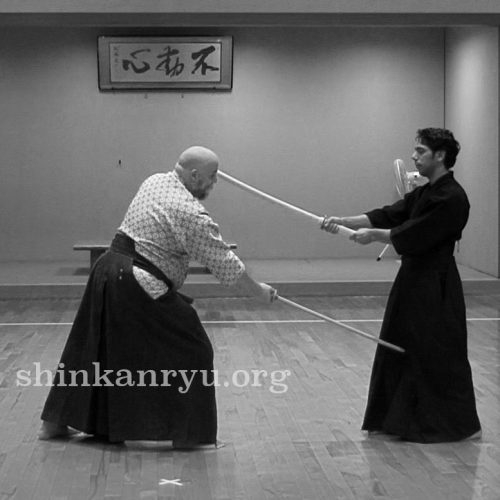
There’s a natural desire from day one of learning to want the next step. "Ok, what next, Sensei? ", "Ok, then what?" "And after that?"
It might be a tired cliche for those practicing for a while, ‘everything in the school can be found in the first technique.’ Somewhat true, but not entirely.
I liken the practice to a fractal. You can keep diving in and realizing there’s more and more and more in a couple of simple moves. Physical techniques are not all that is being transmitted. If you are paying attention, you will catch the rest. Being a sword practitioner, I will relay my own experiences from the katana.
Is it essential to have all these waza?
The first few waza of kumitachi: Ipponme, Nihonme, Sanbonme. How to block, parry, advance, and retreat while attacking. How to bait, lay a trap, and spring it. There is the mental strength to engage in shinken shobu ( dueling with real swords), where you must put your life on the line to be victorious. That is a particular mindset — the willingness to push without concern for life or safety. In essence the attitude of a swordsman. How to use timing and distance. Learning proper and improper maai (spacing). And that at the end that gets tossed out the window anyway. These are all taught in the first couple of techniques.
Learning a thousand things and throwing them all out, as we must do in martial arts. Anyone who spars can tell you, there is no detailed plan for victory the night before. Just the spontaneous advantage of your opponent's openings. That’s not to say you aren't setting yourself up to do it. It is not just pure luck all the time. How to use the sword and body and voice. How the weapon becomes an extension of your body/mind. On and on and on.
Investigate just a few waza and you see everything else is just a variation on a theme.
To an extent, they are essential. Don’t be confused, however, by the desire to acquire. We are material people. No, I won't be singing Madonna. Though we are, and the tendency to want to pocket all these techniques is powerful. We should understand clearly what we are learning. The swordsman should have a mindset and ability that is the base for techniques. The psychology of the warrior is a more significant factor than the number of waza.
Quality of what you know is more important.
I often remember a kohai (junior), whom I once cautioned about learning too much too soon. They were being taught waza after waza. If you are familiar with Lucille Ball working at the chocolate shop, and standing next to the conveyor belt and trying to box all the chocolates coming down, then you might understand the guy at the dojo learning tons of stuff without the ability to deeply process anything.
The junior member I was observing could do none of the two dozen or so he ‘learned’ well at all. When paired with me, we did only the first few together many many times. Was he humoring me, or was he looking more deeply at them? I don’t know, but I was. I still am. Those simple first techniques repeat themselves so often. After a year of practice, I witnessed his skill development. I wasn't impressed. So where did all the acquiring get him? Not very far, in my opinion.
Are you practicing deeply, or are you collecting? Maybe both?
I’ve been guilty of it myself. When I notice that I hunger for the next step, I remind myself to look at what I currently have and that I might not yet understand fully.

ラジカスキー真照
館長Saneteru Radzikowski is the head sword instructor of Shinkan-ryū Kenpō. He lives and teaches Iaijutsu and Kenjutsu from Nara, Japan.
Samurai F.A.Q
Are samurai still trained in Japan? Are there samurai schools? The short answer is, No.Samurai...
What Value Is In Martial Arts Training?
Someone asked, “What value is there in martial arts training?” I reflected, what do I...

Duping The Gaijin – Martial Arts Fraud
Some Japanese schools or individuals wish to capitalize on the ignorance of non-Japanese martial artists...
Is Studying Multiple Martial Arts Ok?
Many people study more than one martial art. There can be varied reasons, such as...
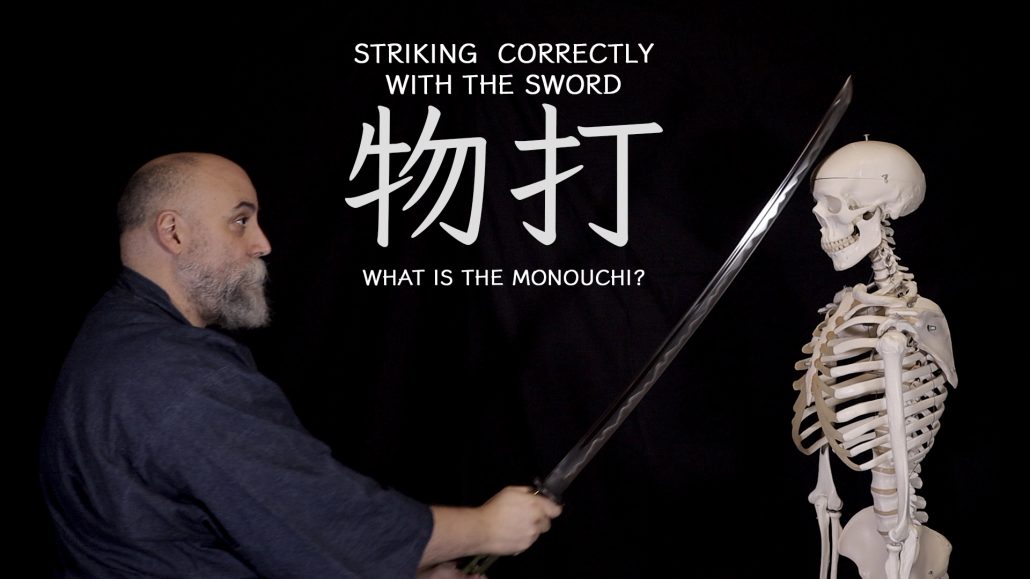
Striking with the Katana: What is the Monouchi?
https://youtu.be/pXpzSBLGkbI
正月 Bujutsu New Years 2019
To all of you that have supported and also those that have caused trouble to...
Seven Points For Learning Martial Arts
I am often thinking about how to learn bujutsu productively. The efficiency of body and...
I Am A Lazy Martial Artist
There is a saying, “You get out of it what you put into it.” It...
Rei – 礼 – Gratitude In Budo Training Life
Gratitude for our swords and training equipment, and those that made them. To our teachers...
The Martial Arts Heart
Budo values reflection and compassion. When these are not present it is hard to develop...
Waza: Quality or Quantity?
Waza Waza Everywhere In our respective martial arts systems, we learn many waza 技 (techniques)....
Don’t Fall Into The Honey
You only have a little bit longer to live. The end is coming, whether in...
The Sword of Kamma
Within Shinkan-ryū are teachings to being responsible for our actions. Admitting fault of miss-actions or...
What is Kenjutsu? A guide to Japanese swordsmanship
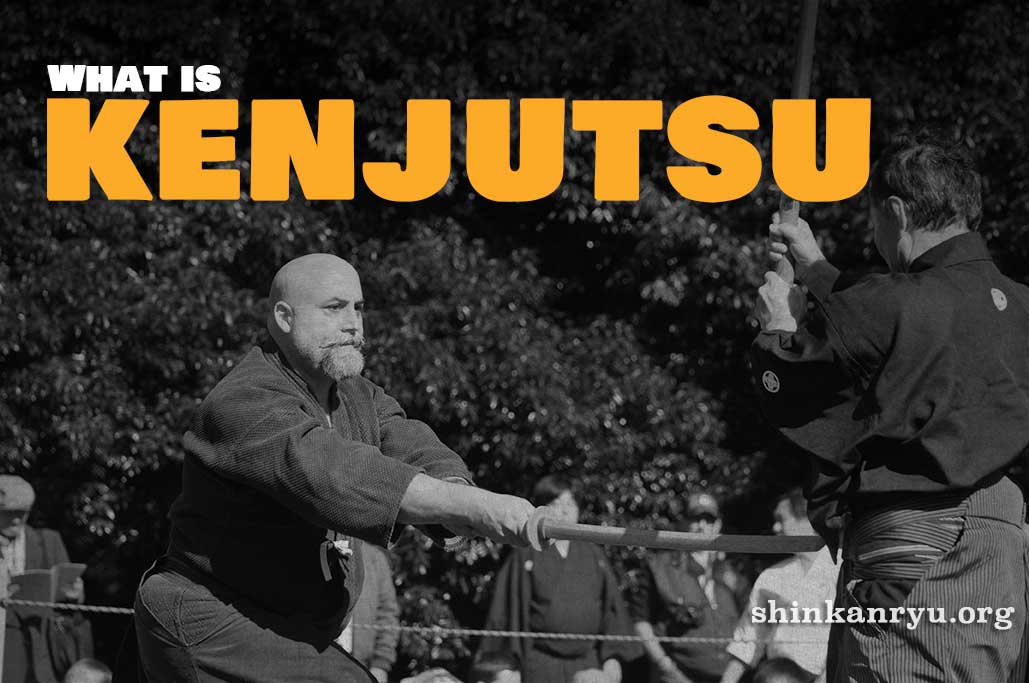
Kenjutsu (剣術) is the Japanese art of the sword. It is one of the four...
A Lesson Of The Brush & Budō
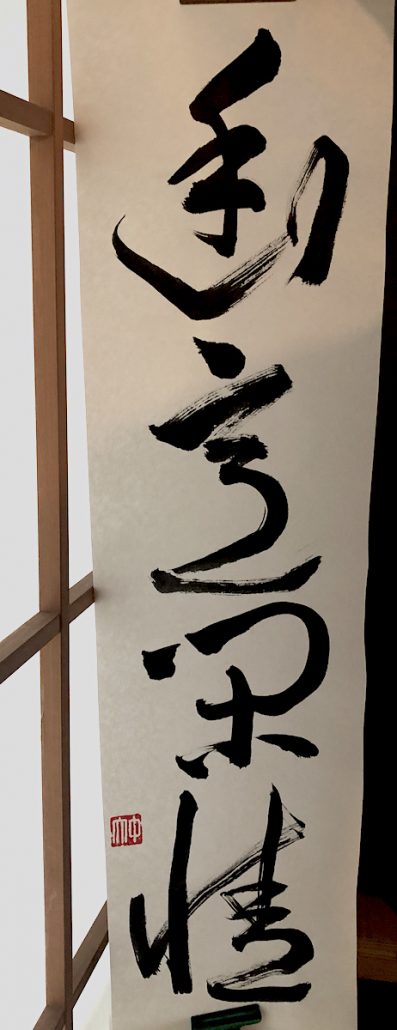
Today during shodo practice I wrote this. Our minds as the top of...
Budō Practice Is Everywhere
Practicing without many excuses not to is a good practice.
Koryū Menkyo Kaiden & Classical Martial Arts Proliferation
免許皆伝 Menkyo Kaiden and Koryu Proliferation Mention menkyo or menkyo kaiden around some martial artists...
Impermanence, The Mind, and the Truth
After every meditation session my teacher, with his eyes still closed, would softly speak in...
Is Compassion Important In Martial Arts?
What is compassion? Compassion is a concern for the suffering or problems of others. The...
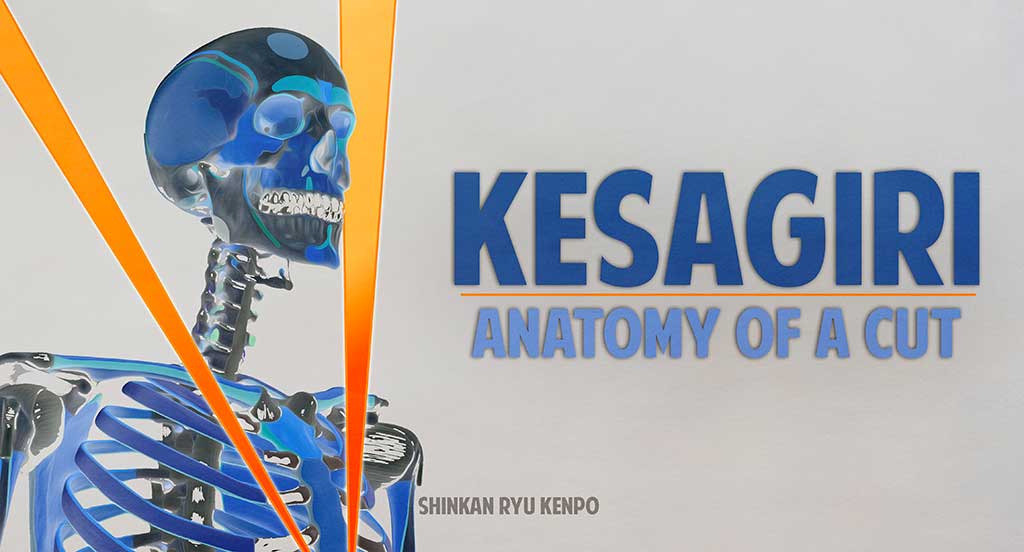
Kesagiri: Anatomy of A Sword Strike
In Japanese swordsmanship, there have been many hundreds of schools. There are, however, only a...
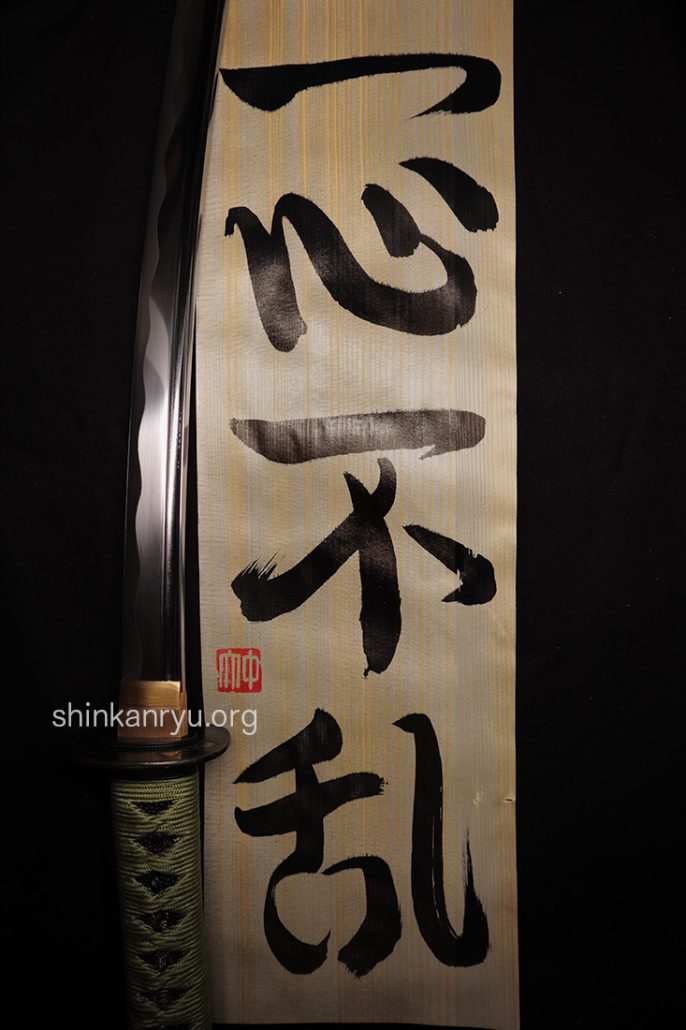
Bujutsu Thoughts Issin-furan
[fusion_builder_container hundred_percent="no" hundred_percent_height="no" hundred_percent_height_scroll="no" hundred_percent_height_center_content="yes" equal_height_columns="no" menu_anchor="" hide_on_mobile="small-visibility,medium-visibility,large-visibility" status="published" publish_date="" class="" id="" background_color="" background_image="" background_position="center...
Attachment, Budo & Impermanence
It is worth a lot to be mindful of the ebb and flow of all...
©2018 S.F.Radzikowski