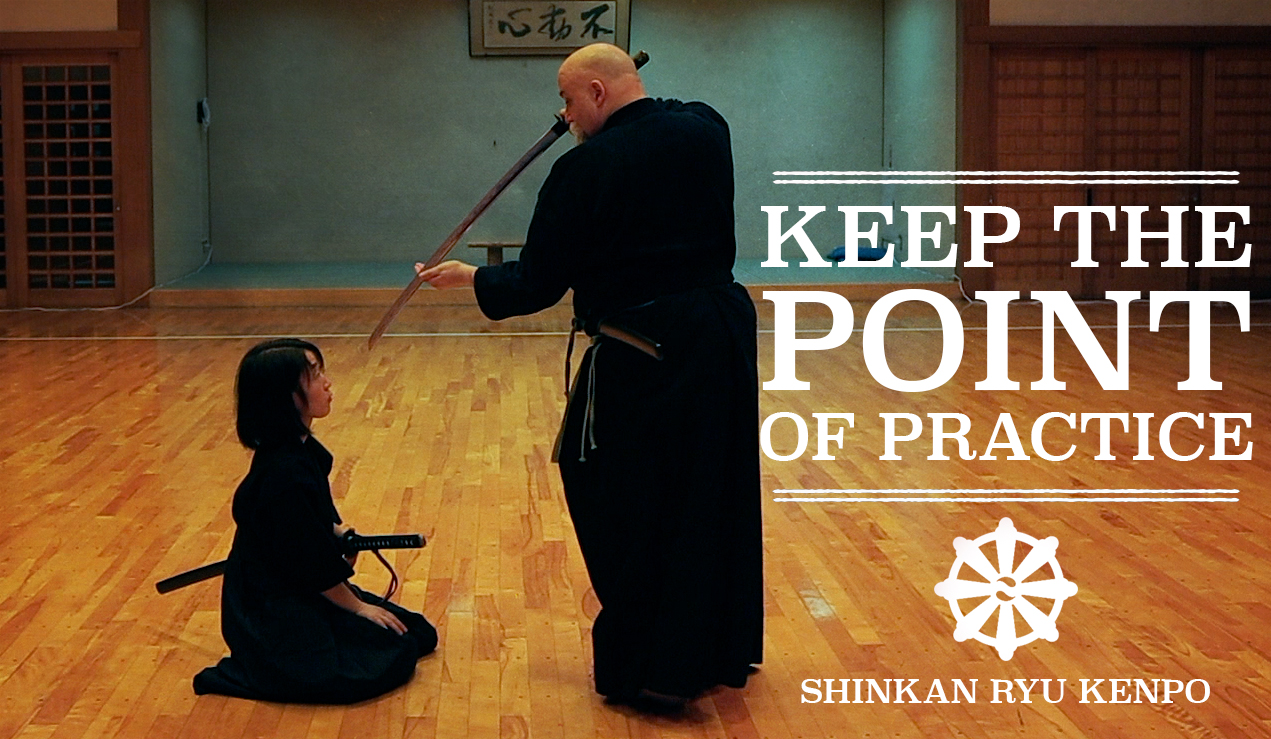
Pardon the pun, but the point of iaido is important to keep.
When we practice iaido or iaijutsu alone it is easy to fall into bad habits or become complacent. There are many schools of iaijutsu or battōjutsu. Among the techniques, there is a moment where the opponent has been cut down. After the coupe de grâs, the iaijutsu practitioner usually performs a ceremonial sword cleansing technique commonly referred to as chiburi, before putting his sword away.
The moment between the final blow and the cleaning of the blade is crucial. Today I was teaching about this moment as it has gotten lost by some students. That moment is when we must know exactly where the enemy is and keep our sword and body in the right posture. We must use tame 溜. Tame is what we call the retention of awareness where we maintain our mind-body on whatever the subject of focus is. In this case, it is to keep ourselves and the sword positioned against the enemy. The fight is not over and there is no time to relax the sword, mind, or body.
Fill it up.
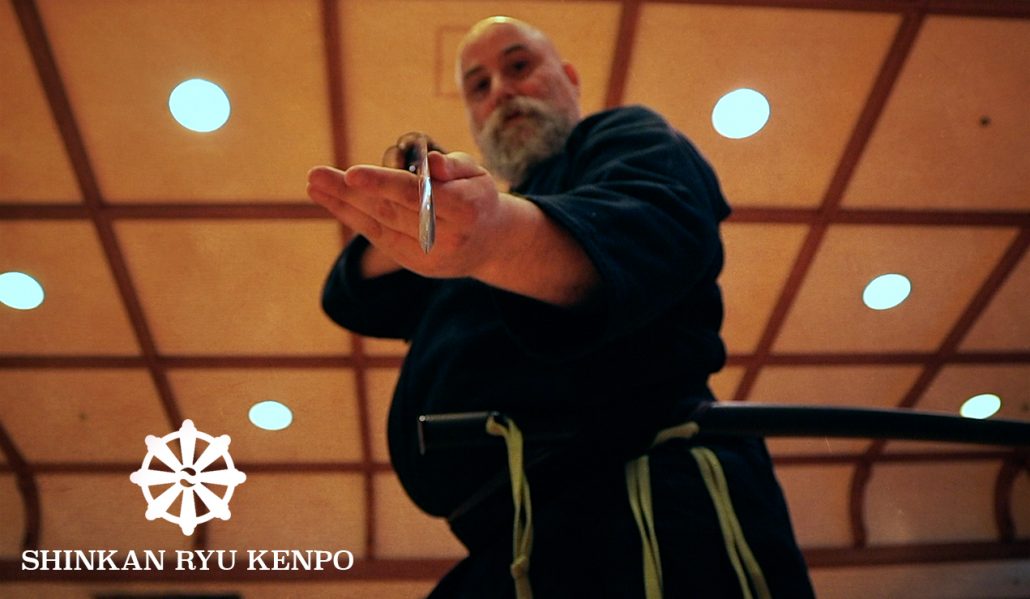
If the mind is empty (of energy) and the sword is also pointing where it shouldn't be then our form is garbage. Even if we jumped 18 feet and did the biggest kirioroshi of our lives; if the gas runs out of our engine after that and we just stand there limp in all manners of incorrect attitude physically and spiritually then we have failed. You can spin and jump and shout. You can even have drums banging away in your dojo. Speed and bombast don't matter if your tank is empty of tame.
Keep the mode of observation from the start to the finish. The finish being the sword is returned and you have walked back to where the start is. From the moment we begin the form we must have this filling of awareness. Like the air in a balloon. Our mind and body must expand.
Be vigilant in your iaido practice to keep your tame balloon filled with energy. Thank you for spending time reading my thoughts.

ラジカスキー真照
館長Saneteru Radzikowski is the head sword instructor of Shinkan-ryū Kenpō. He lives and teaches Iaijutsu and Kenjutsu from Nara, Japan.
What do I need to study bujutsu?
Learning a traditional bujutsu, koryu, or comprehensive martial art is best approached as a serious...
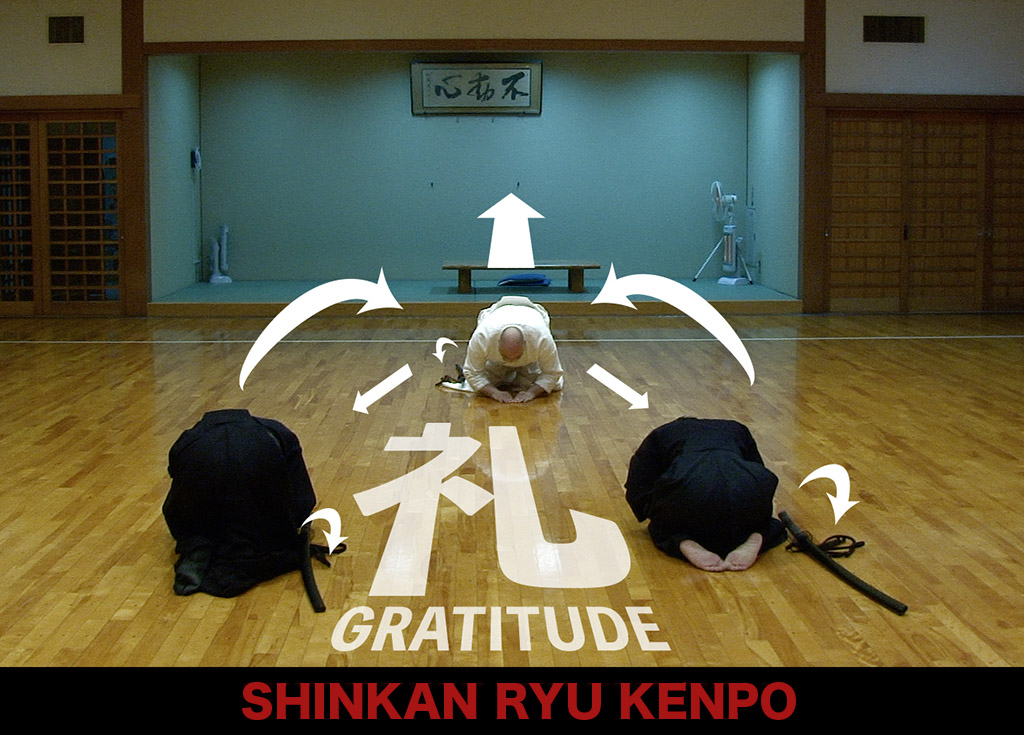
Rei – 礼 – Gratitude In Budo Training Life
Gratitude for our swords and training equipment, and those that made them. To our teachers...
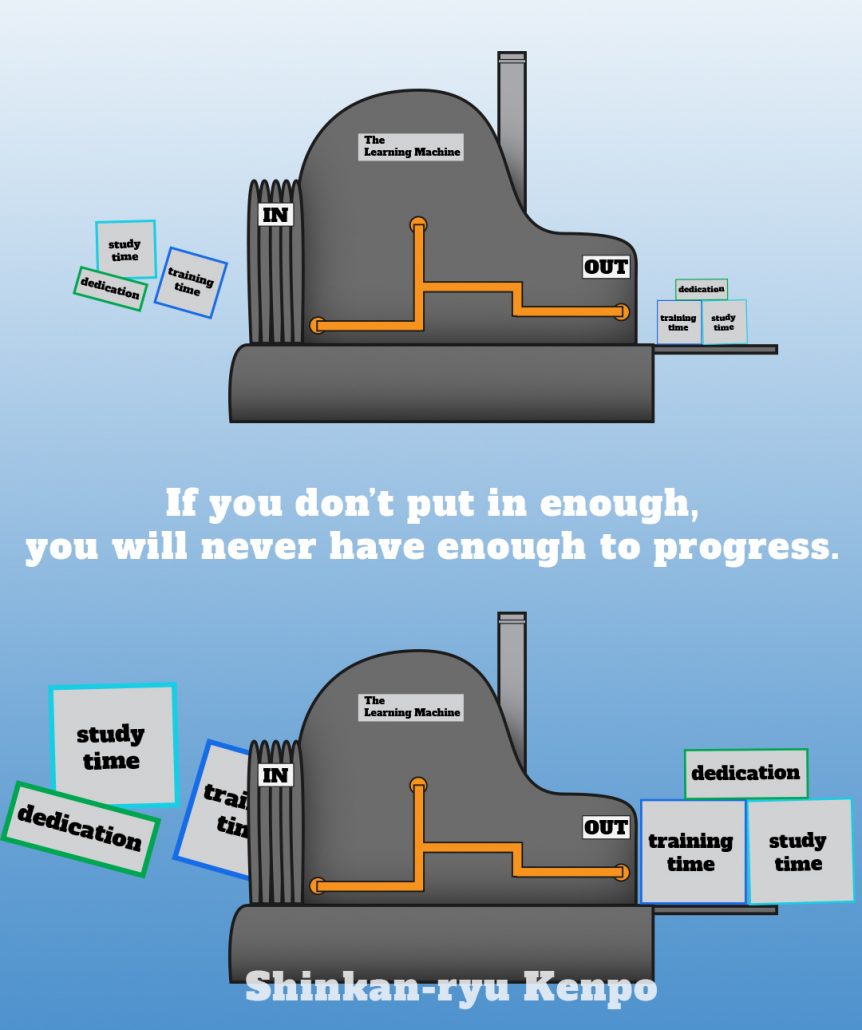
I Am A Lazy Martial Artist
There is a saying, “You get out of it what you put into it.” It...
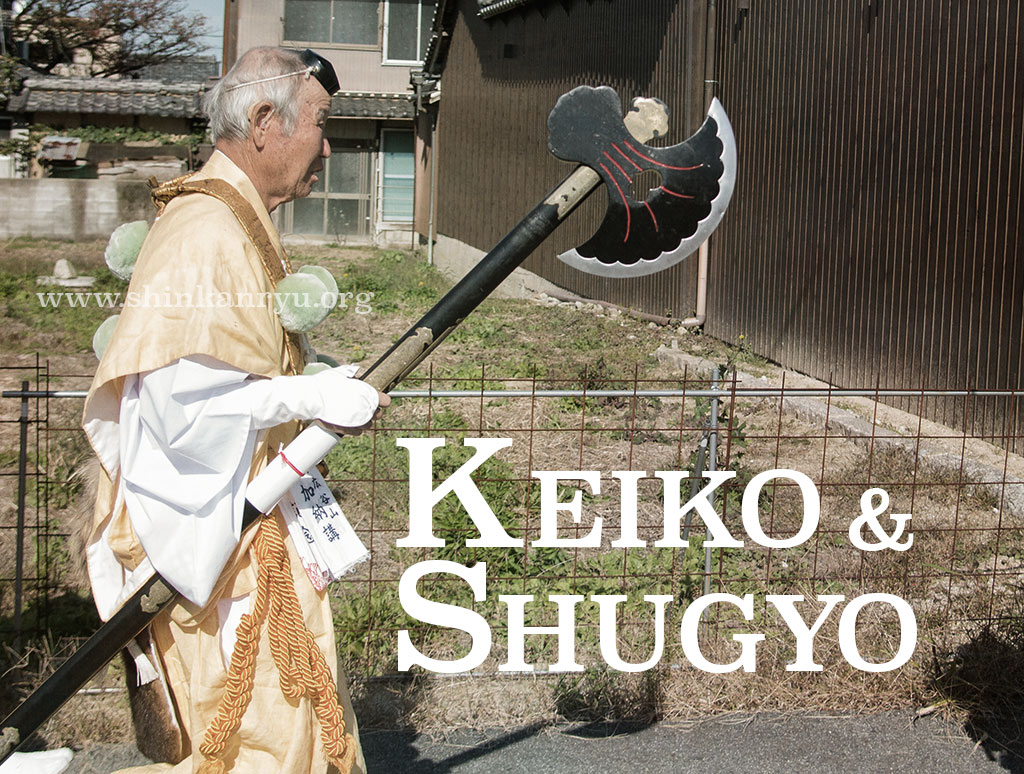
Shugyō and Keiko Martial Arts Practice
Practicing and Studying There are two main words used about practicing and learning in martial...
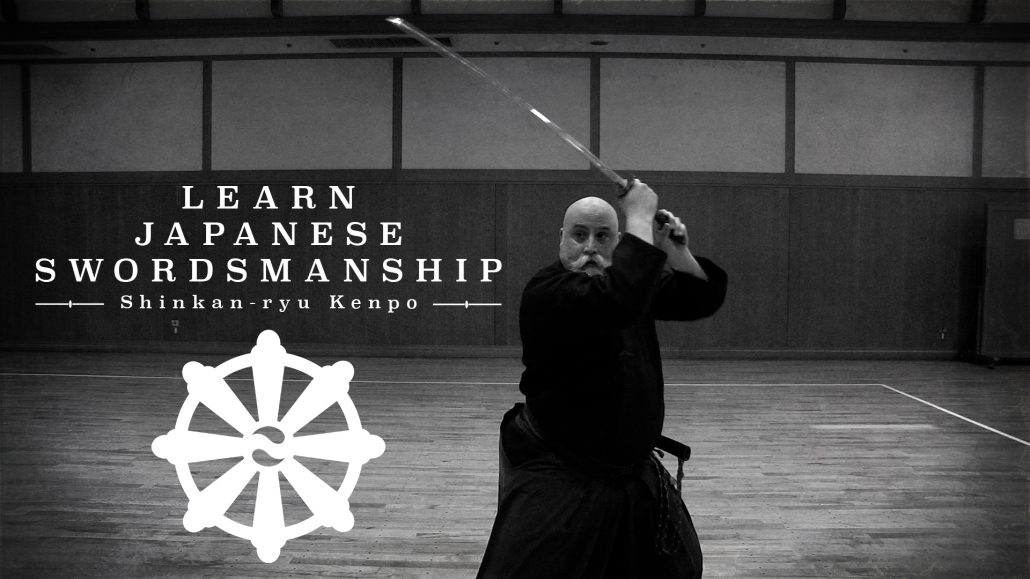
Learning Iaido Online: The Japanese Art of the Sword
Learning Iaido online is a wonderful challenge. Iaido or Iaijutsu can be deceptively simple in its...
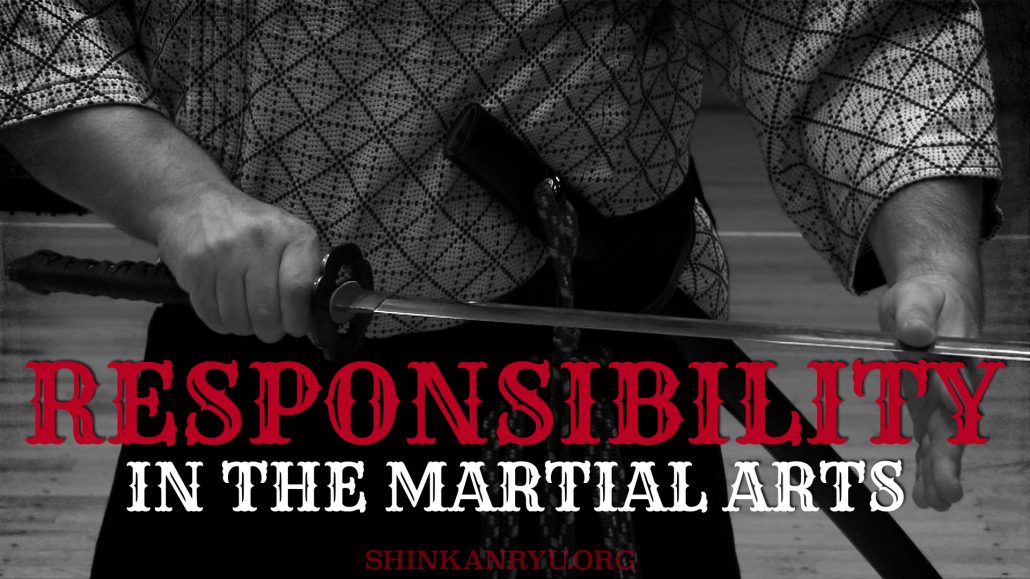
Martial Arts Responsibility
As a martial arts instructor, or school, or especially if you’re representing an authentic Japanese...
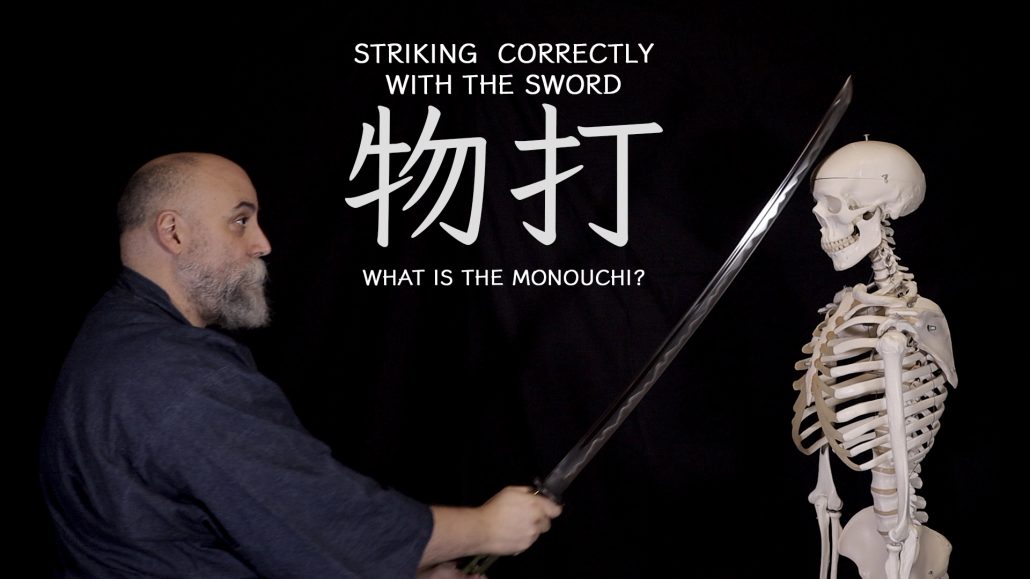
Striking with the Katana: What is the Monouchi?
https://youtu.be/pXpzSBLGkbI
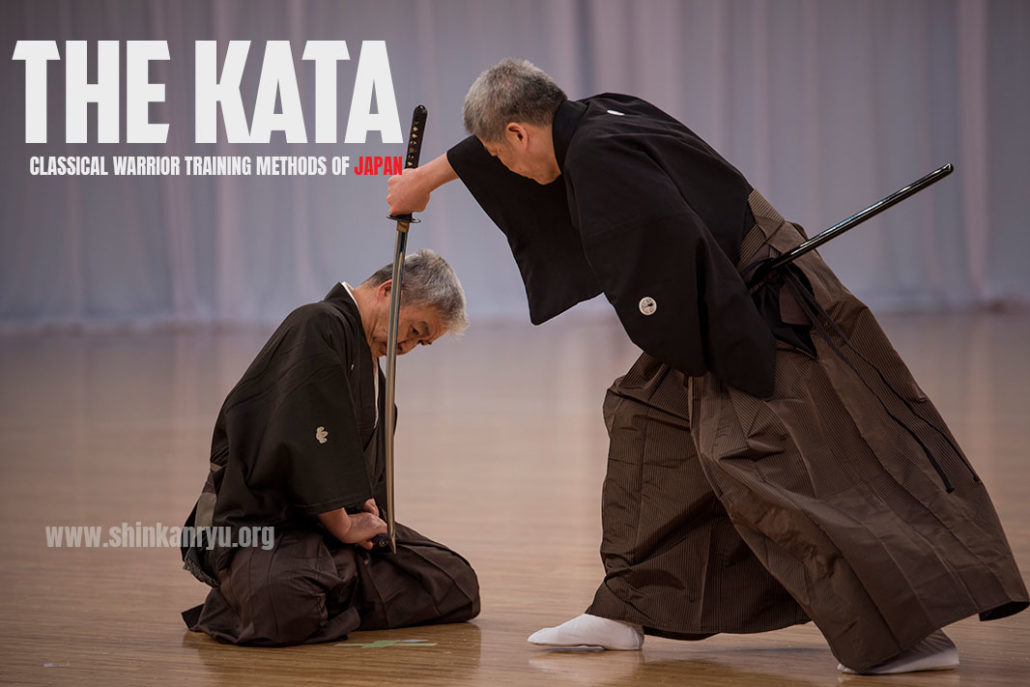
Kata: Classical Japanese Samurai Training Method
Bujutsu Kata Training in martial arts can be done in different ways. One of the...
Too Many Martial Arts
The koryū of Japan are not self-defense arts. Although they can be authentic and certainly...
Keishi ryu Iaijutsu
In 1888 the Tokyo Metropolitan Police department decided to cull various ryu-ha together to form...
Seven Points For Learning Martial Arts
I am often thinking about how to learn bujutsu productively. The efficiency of body and...
What is Kenjutsu? A guide to Japanese swordsmanship
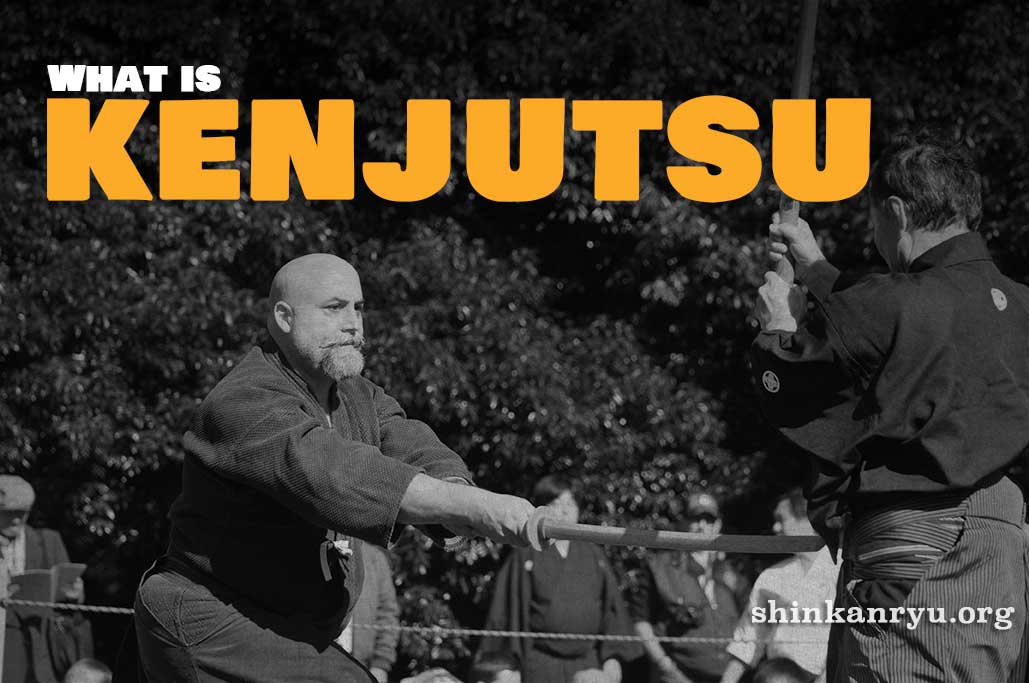
Kenjutsu (剣術) is the Japanese art of the sword. It is one of the four...
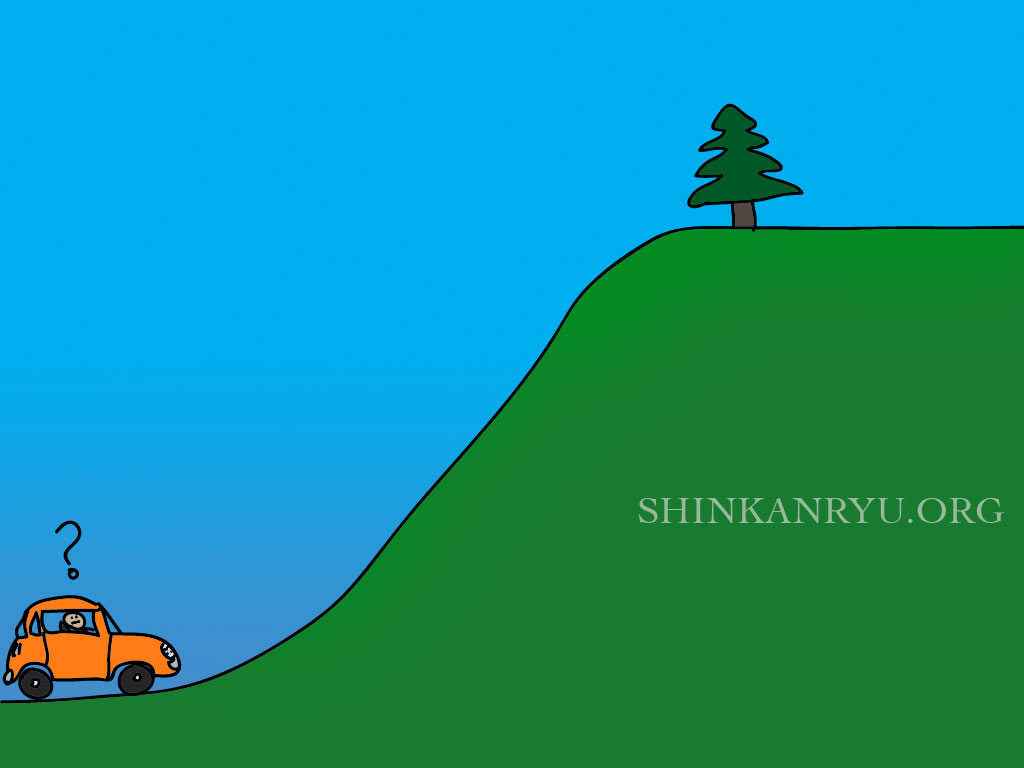
Practice
The car at the bottom of the hill needs a sustained gas pedal to move...
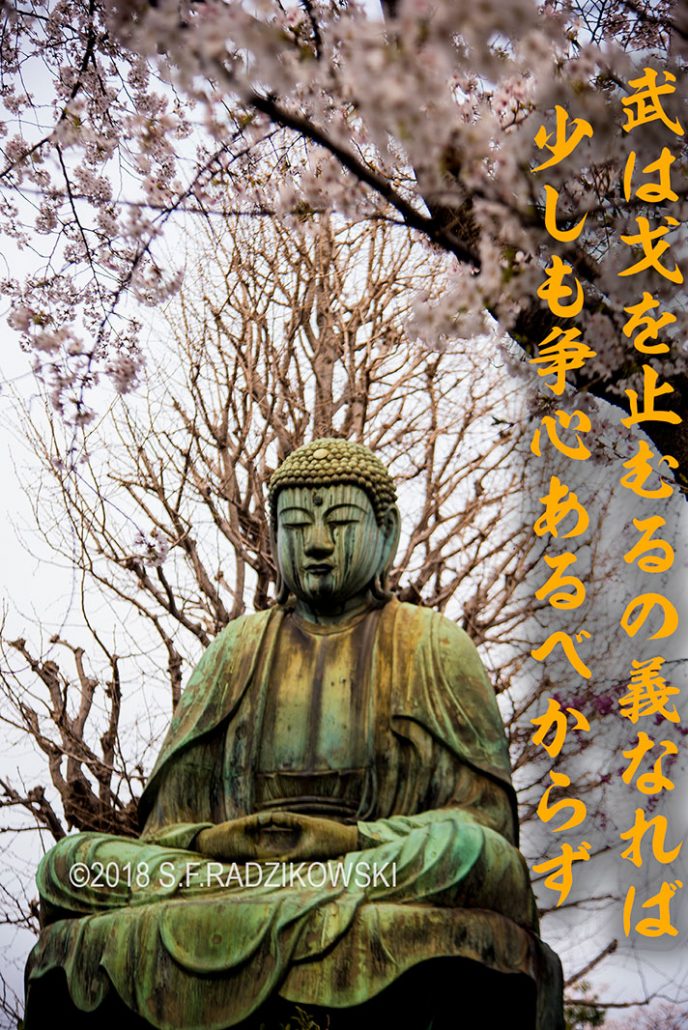
The Mind According to Saito Yakuro of Shintō Munen Ryū 斎藤弥九郎神道無念流
「武は戈を止むるの義なれば少しも争心あるべからず」斎藤弥九郎神道無念流練兵館 斎藤弥九郎 Saito Yakuro, Shindō Munen Ryu instructor of the famous Renpeikan in Edo once...
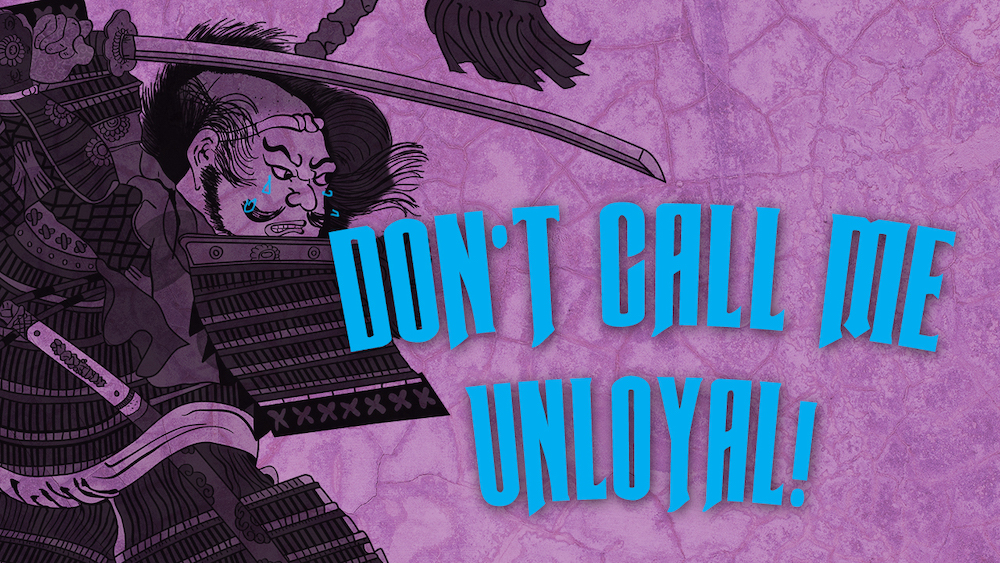
The Samurai and unwavering loyalty
The Samurai have been portrayed in popular culture as noble and faithful warriors who strictly...
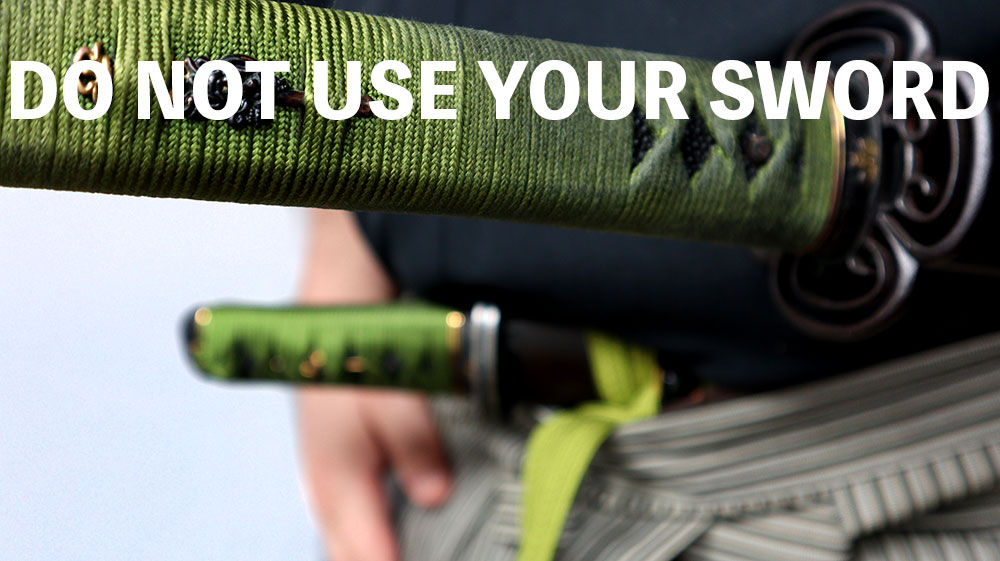
Saya no uchi
I train to strike correctly. I perform keiko to understand the angles of my sword....
Be Thankful.Be Earnest In Bujutsu & Life
Be thankful for your mistakes, failures, and blunders. They are your own teacher reminding you...
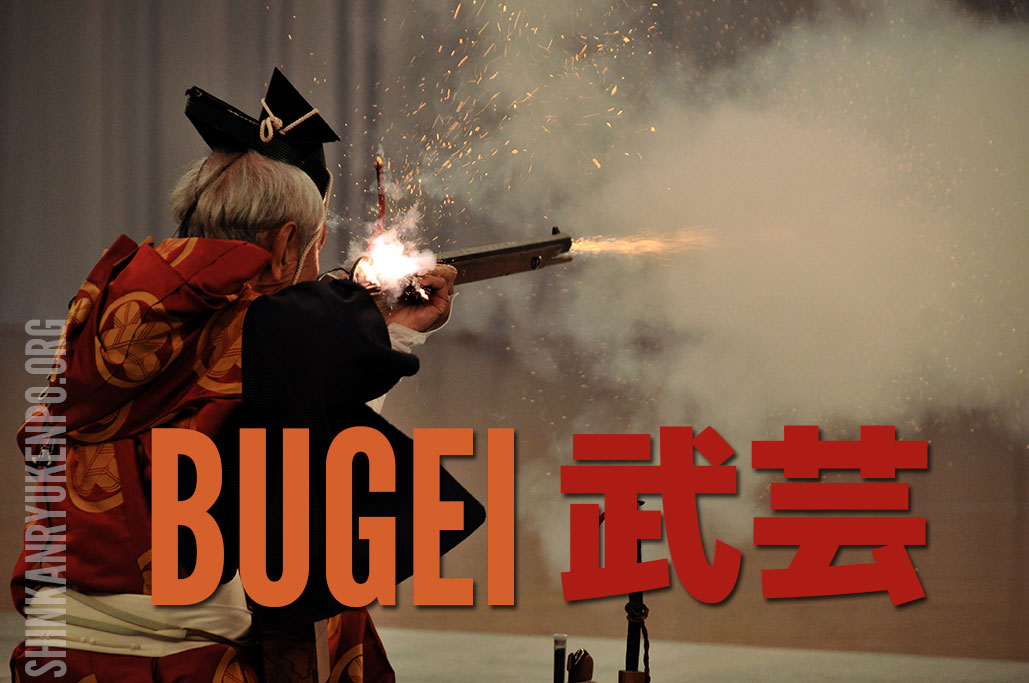
What does Bugei mean?
Bugei translates as Martial art, Military arts, or Arts of war. Bu 武 means warrior...
Respect is a two way street in martial arts
Respect is a two-way street, however, how many people are driving recklessly? “If you want...
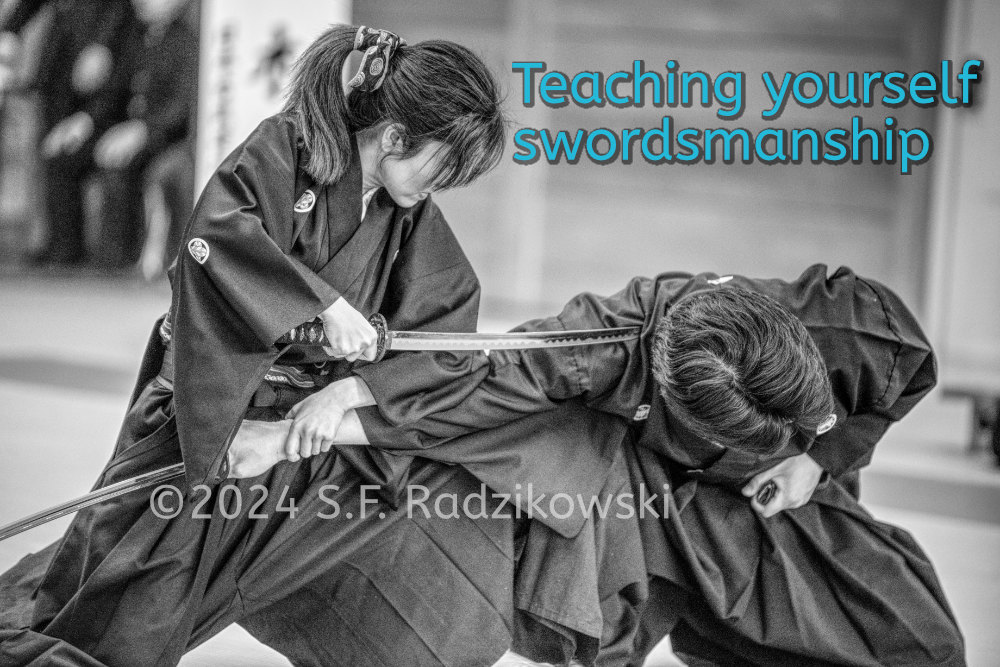
Teaching yourself Iaido and Swordsmanship
The Challenges of Self-Learning Swordsmanship In martial arts, particularly in the study of swordsmanship, a...
Practice. Time Is Fleeting
In #budo as well as life, in general, we should avoid wasting time. We need...
What Value Is In Martial Arts Training?
Someone asked, “What value is there in martial arts training?” I reflected, what do I...