
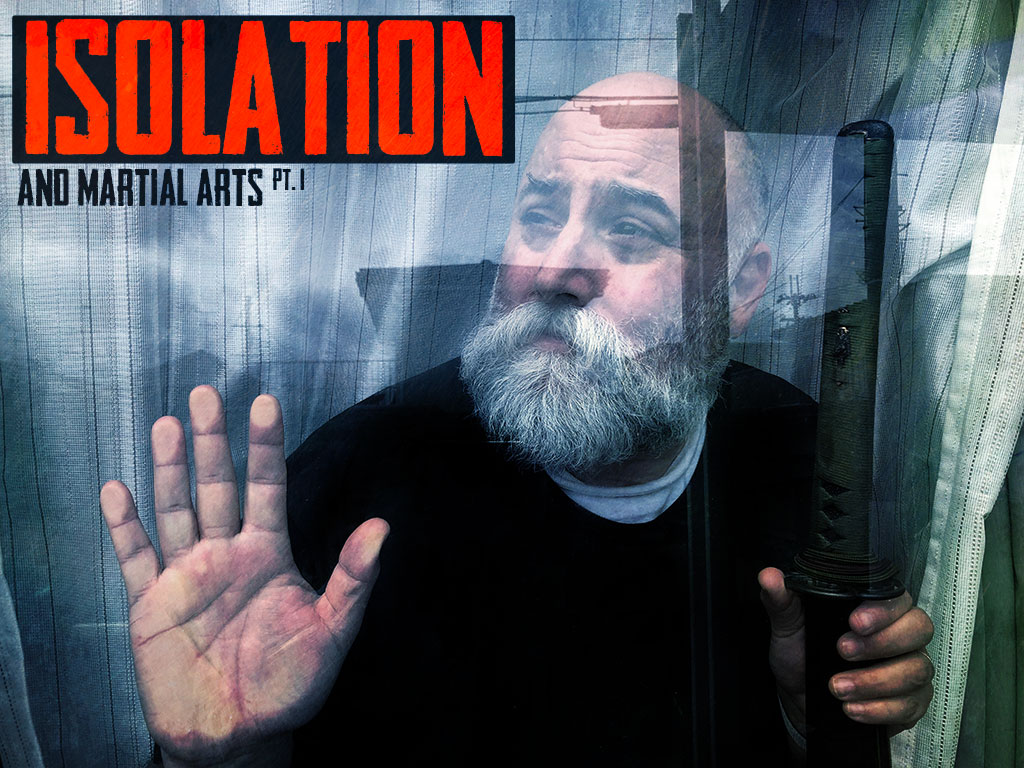
Budo does not begin and end when you pass through the dojo, or step on and off a mat. Practicing musha shugyo when you have no teacher or group is still viable. Isolation is not an end state. Are you shut in your home without access to your teacher or dojo? Is there fear in your mind and those around you? Should you put your training on hold?
Now, more than ever, is it essential to maintain your practice. Practice does not mean physically swinging your sword or pinning your opponent off balance. Spiritual and emotional training should always be present.
Fear.
Certainly, there is always something to be afraid of. Presently with the coronavirus pandemic, those reasons for fear are numerous. Not only of our own health and mortality but also our loved ones passing away or being ill. Some of us are in jeopardy of losing our livelihood, food supply, and homes. These are all real situations now.
One of the first lessons in kenjutsu (or any martial art) is not to be afraid. It is not always a lesson your teacher sits you down to explain, but you come to face quite early on. There is regularly an opportunity for dread in bujutsu. Fear can be slight and nuanced. As a beginner, you might have a fear of practicing in a new dojo. You could be afraid of an individual's speed or power during training. Afraid to become hurt while training. Fear of losing in a match or being struck.
Our budō training is a stream that flows through our life and dōjō. It is a flow that connects all aspects of who we are and what we do. Our dojo thoughts and actions should not contrast those outside the dōjō
We should endeavor to understand our fear and its origins. Fear can be paralyzing and inhibit our actions. The ramifications of freezing physically and mentally are pretty apparent in martial arts. The feelings of fear and anxiety can become a snake eating its own tail causing endless issues.
It is essential to contemplate and be mindful in order to gain wisdom. Wisdom is the tool we use to look into fear and investigate its origins. This is something worth writing in a budo notebook or martial arts journal. I believe it is beneficial for not only cataloging your training and waza but for understanding the processes of our minds.
Fear produces emotional responses, and our intelligence is restricted. Making proper decisions and taking just action becomes difficult or impossible. The goal is not fearlessness per se. The goal is gaining wisdom for understanding and overcoming the fear that prevents us from growth and paralyzing our actions that need to be taken at that time.
Fear is one of the mental sicknesses in budō that should be investigated and overcome. Nothing is separating our budo practice with our life outside the dōjō. Thinking, "I have a lot to do so I will figure out myself later." does not work. The time is now. Time is fleeting, and we must apply our energies to understanding the truth and overcoming our weaknesses.
Coronavirus Pandemic & Martial Arts
Although Shinkan-ryū Kenpō online curriculum is still going on, our Renshinkan dojo here in Japan has been closed since February 29th. I do some physical iaijutsu and kenjutsu training outside. I do a little bit indoors as well. Although I have no space for it, I modify things and make do. Every day I am engaging my mind in wholesome manners and activities as part of my budo practice. Reviewing waza and notes. Meditating. Practicing shodō. I also enjoy books and films and cooking. It is essential to keep from being depressed or anxiety-ridden, especially during these trying times. It is difficult some times to maintain, but I do not give up. This isolation currently being imposed upon us without our choosing, however turning it into musha shugyo is within our choice. This current situation is our practice. It is why we study bujutsu.
Our budō training is a stream that flows through our life and dōjō. It is a flow that connects all aspects of who we are and what we do. Our dojo thoughts and actions should not contrast those outside the dōjō
I hope everyone is doing well. Please be smart and safe.

ラジカスキー真照
館長Saneteru Radzikowski is the head sword instructor of Shinkan-ryū Kenpō. He lives and teaches Iaijutsu and Kenjutsu from Nara, Japan.
Are Combat Skill, Self Defense & Martial Art The Same?
Why make the distinction between martial art and combat skill? I believe that combat skills...
Code of Bushido Righteous Heart
Being righteous and doing the right thing is one of the foundations of body and...
Bujutsu Truth
Be honest. Move with the truth and discard the lies and false facades. Leave them...
Seven Points For Learning Martial Arts
I am often thinking about how to learn bujutsu productively. The efficiency of body and...
Is Studying Multiple Martial Arts Ok?
Many people study more than one martial art. There can be varied reasons, such as...
Shu-ha-ri Budo Learning
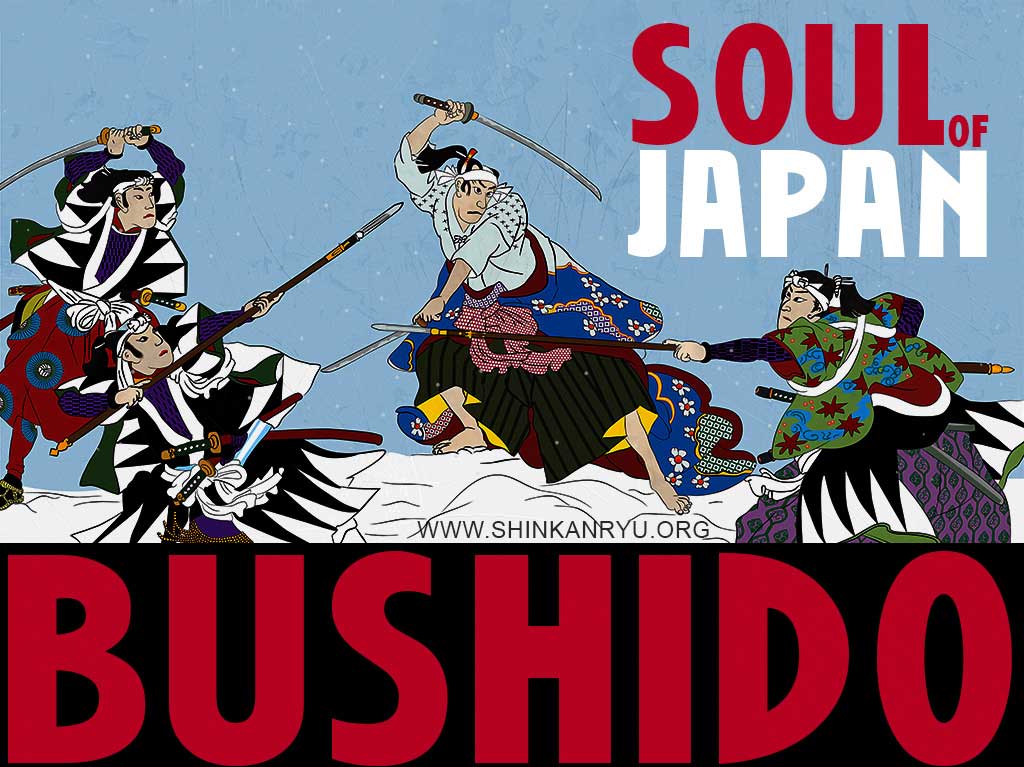
Bushido: The Soul of Japan
The code of the samurai is always popping up in martial arts circles and popular...

What is Koryū?
Japanese martial arts are usually defined in two groups. Pre-modern and modern. There are no...
When Protectors Become Perpetrators: Martial Arts Community Failures
Recently, a martial arts instructor (Budo Teacher) faced defamatory accusations in a public forum. A...
Bushido Chūgi The code of Loyalty
Loyalty is one of the shining points in any list about the virtues important to...
Speed, Martial Arts and Samurai Theater
What’s the difference between bugei 武芸 (martial arts) demonstrations and stunts? People are awed by...
A Disease of the Swordsman
The Sword and its study. Hesitation (doubt) is one of the four diseases in swordsmanship....
Maai Combative Spacing
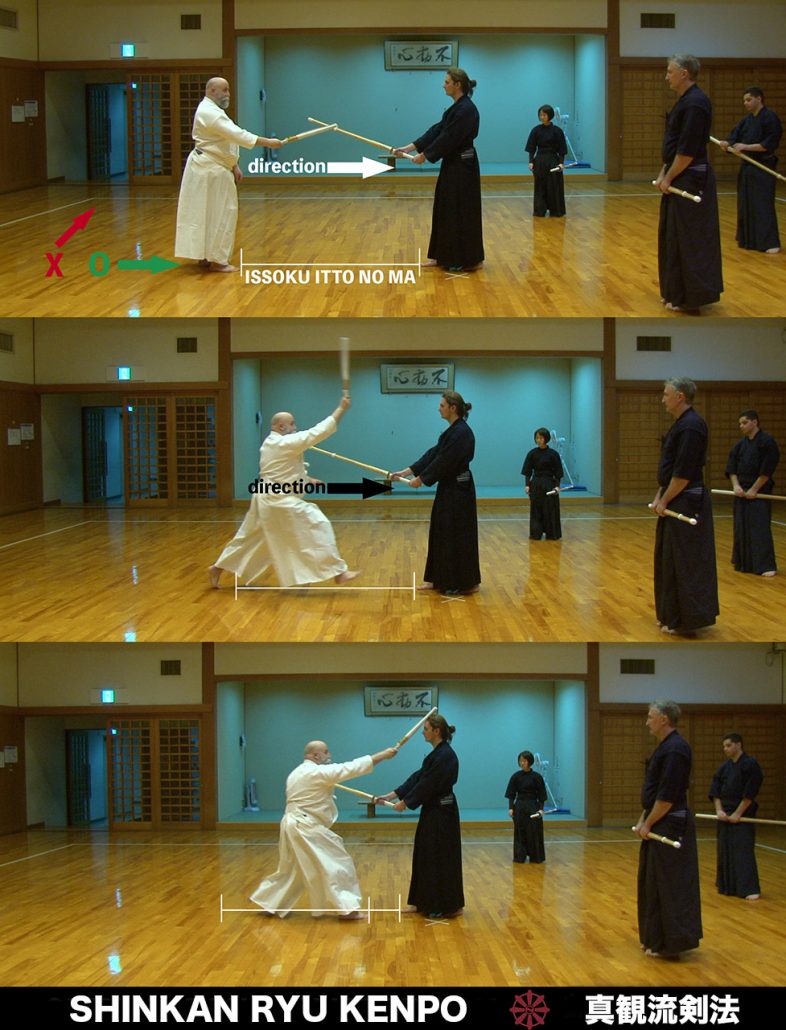
Maai 間合い Combative spacing or maai is important to investigate early on and come to...
Mitorigeiko Special Practice
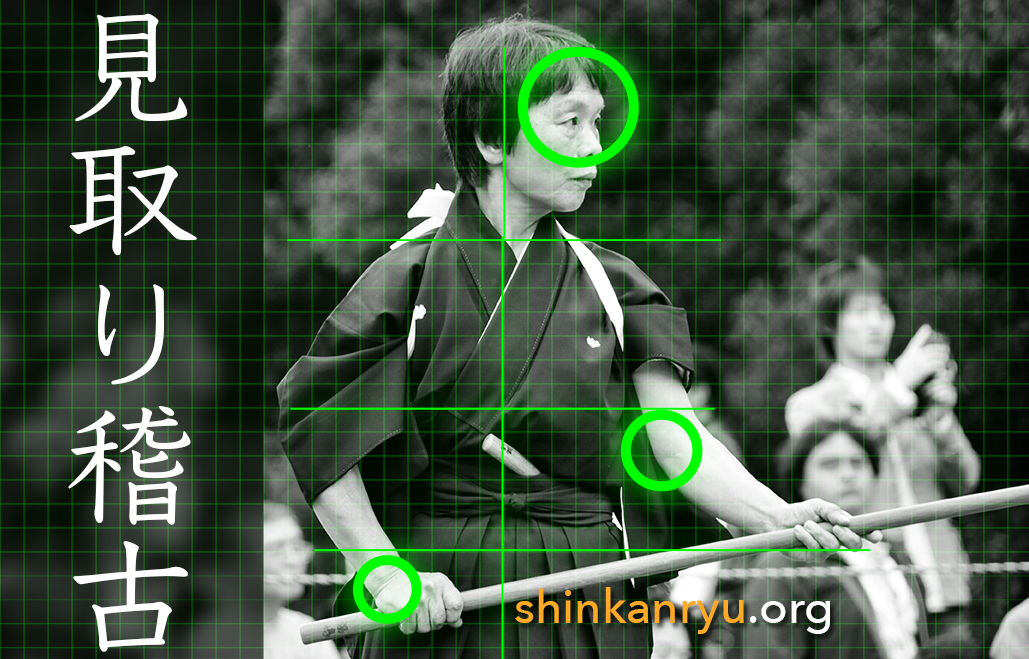
Present and switched on The method of critically watching practice is commonly referred to as...
Kata: Classical Japanese Samurai Training Method
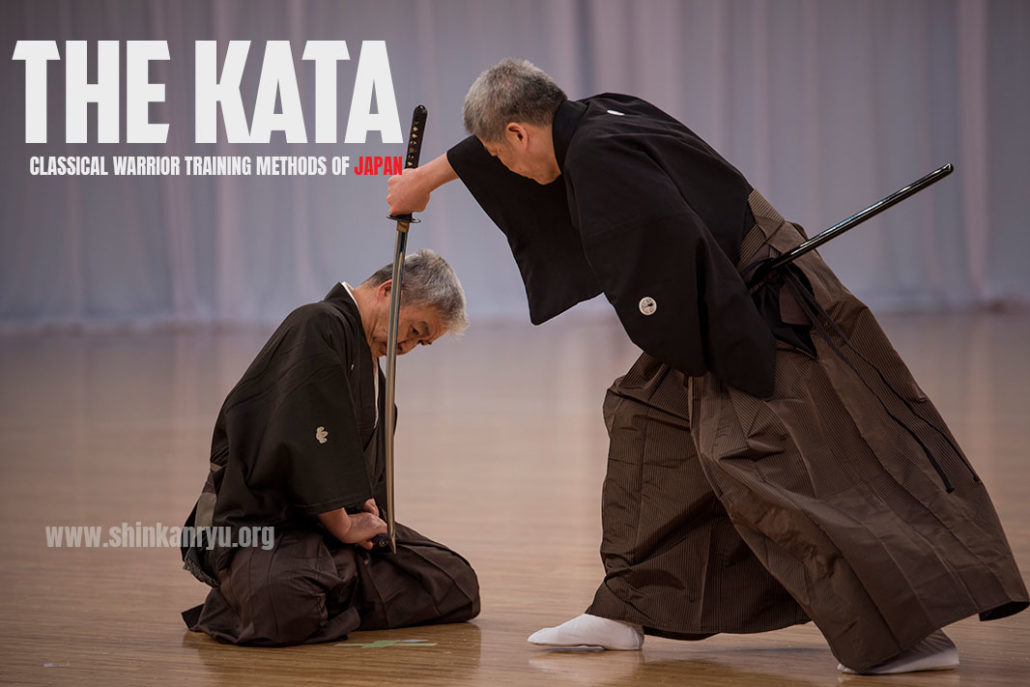
Bujutsu Kata Training in martial arts can be done in different ways. One of the...
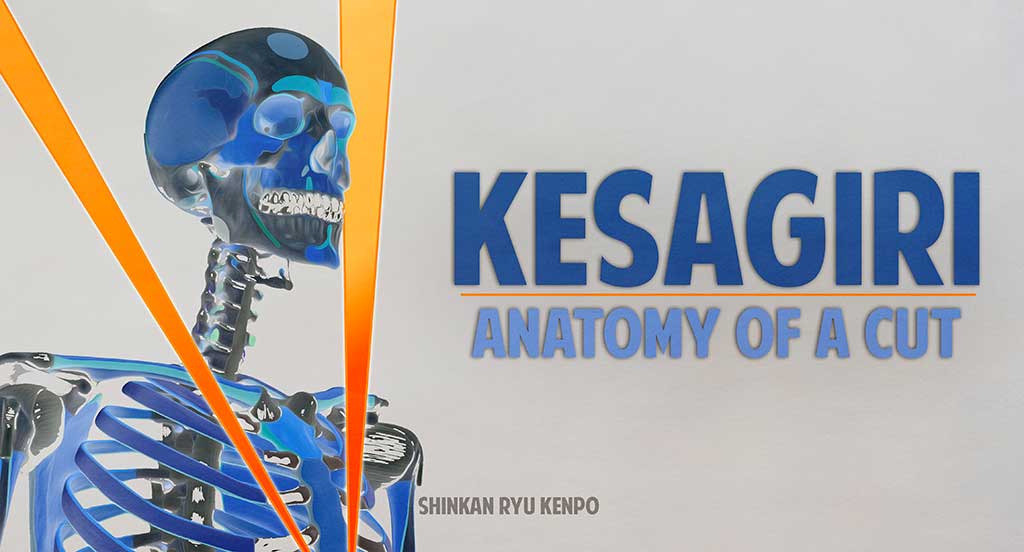
Kesagiri: Anatomy of A Sword Strike
In Japanese swordsmanship, there have been many hundreds of schools. There are, however, only a...
Ken Zen Ichi Nyo Sword & Zen Are One
剣禅一如 The sword and zen are one. The mind of zen is an important consideration...
Don’t Fall Into The Honey
You only have a little bit longer to live. The end is coming, whether in...
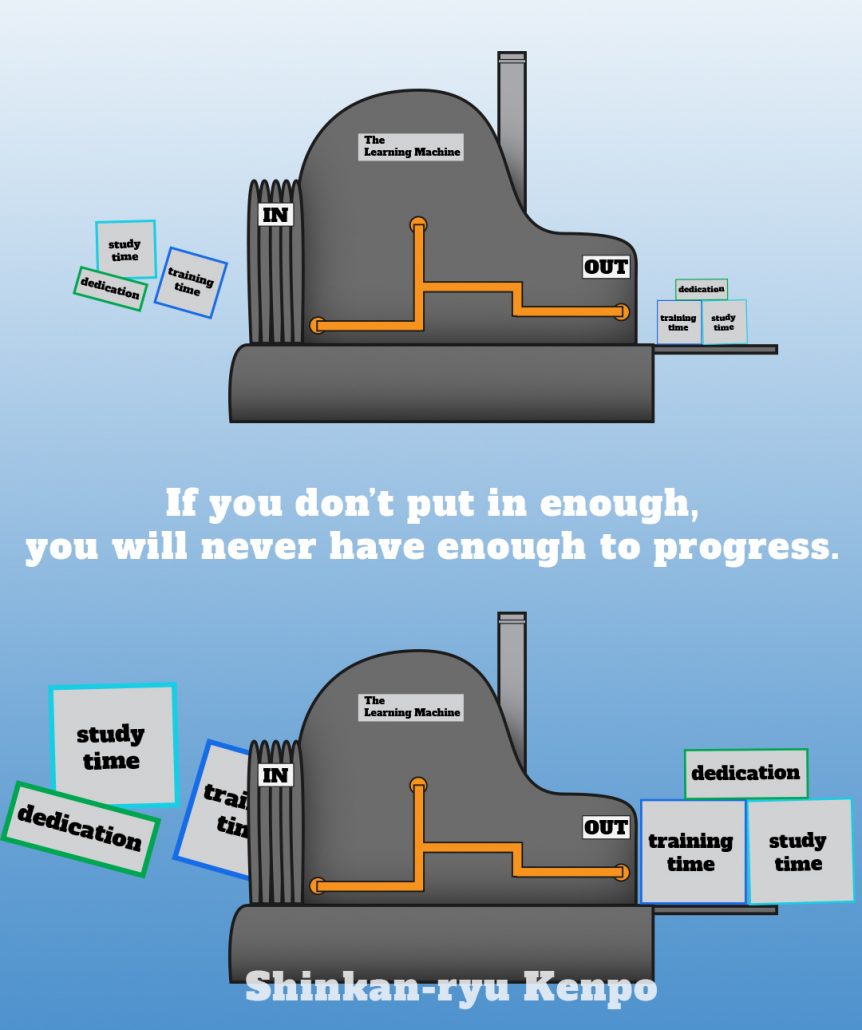
I Am A Lazy Martial Artist
There is a saying, “You get out of it what you put into it.” It...
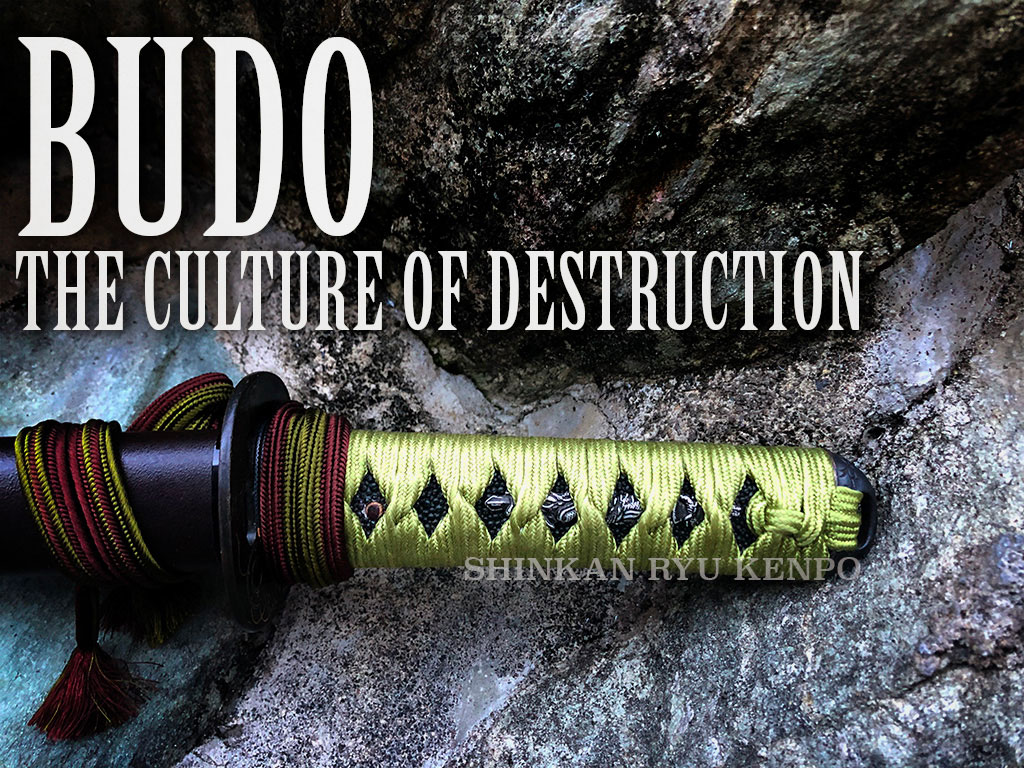
Budo: The Culture of Destruction
The desire to destroy is within us all. We must overcome this urge to tear...
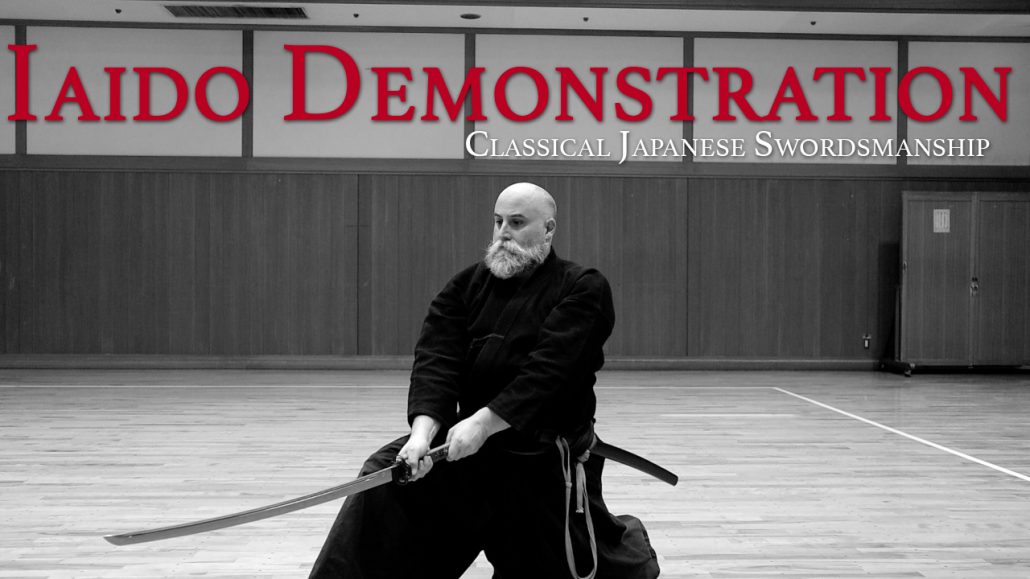
Tachi Iai & Suwari Iai Demonstrations
[fusion_builder_container hundred_percent="no" hundred_percent_height="no" hundred_percent_height_scroll="no" hundred_percent_height_center_content="yes" equal_height_columns="no" menu_anchor="" hide_on_mobile="small-visibility,medium-visibility,large-visibility" status="published" publish_date="" class="" id="" background_color="" background_image="" background_position="center...
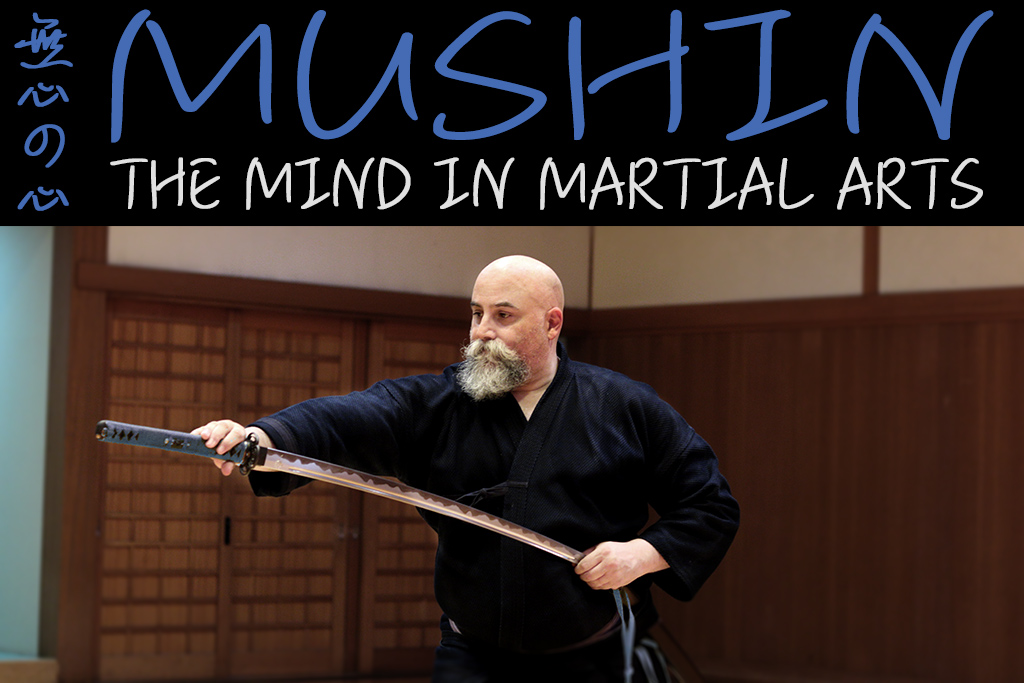
Mushin State of No Mind In Martial Arts
I would like to express my thoughts on the concept of mushin no shin —...
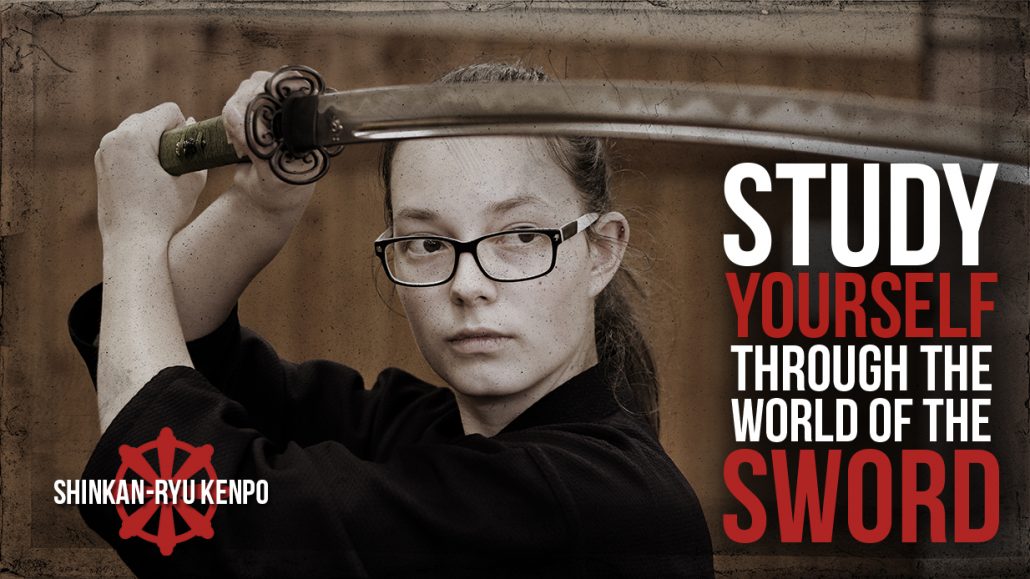
Study The Self. Learn The Sword
Learn the sword or budo and learn of yourself. Learn about yourself to learn budo....
Mushin State of No Mind In Martial Arts
I would like to express my thoughts on the concept of mushin no shin —...
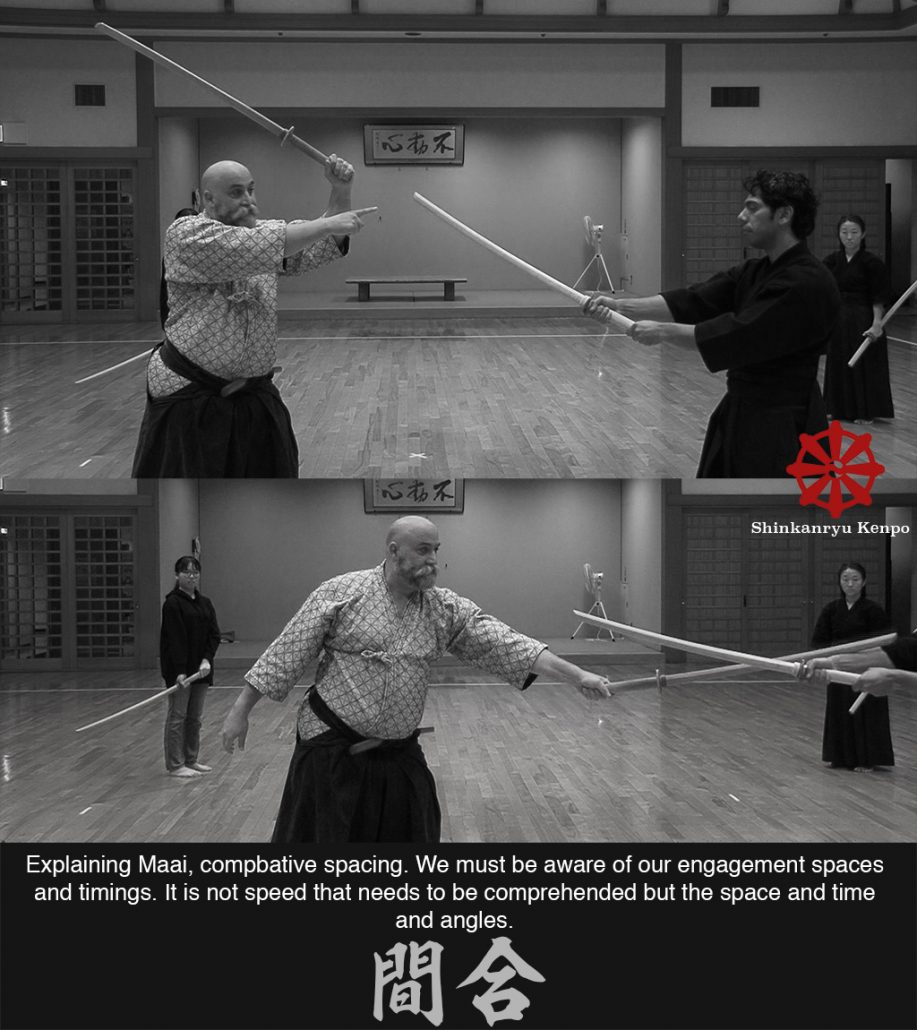
Maai; Combative Space-timing
Teaching maai 間合い, the ideas of combative spacing and timing intervals in kenjutsu.
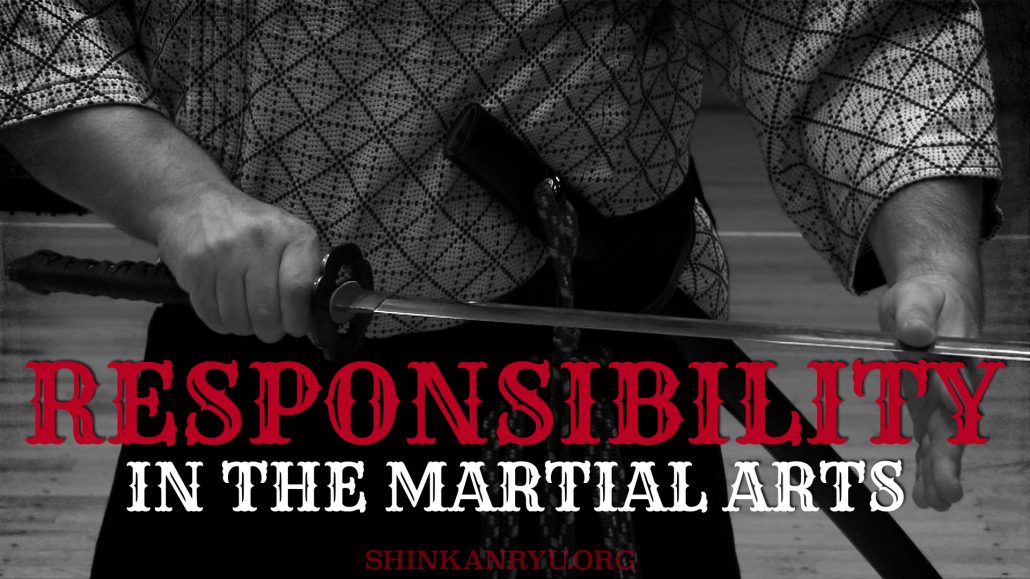
Martial Arts Responsibility
As a martial arts instructor, or school, or especially if you’re representing an authentic Japanese...
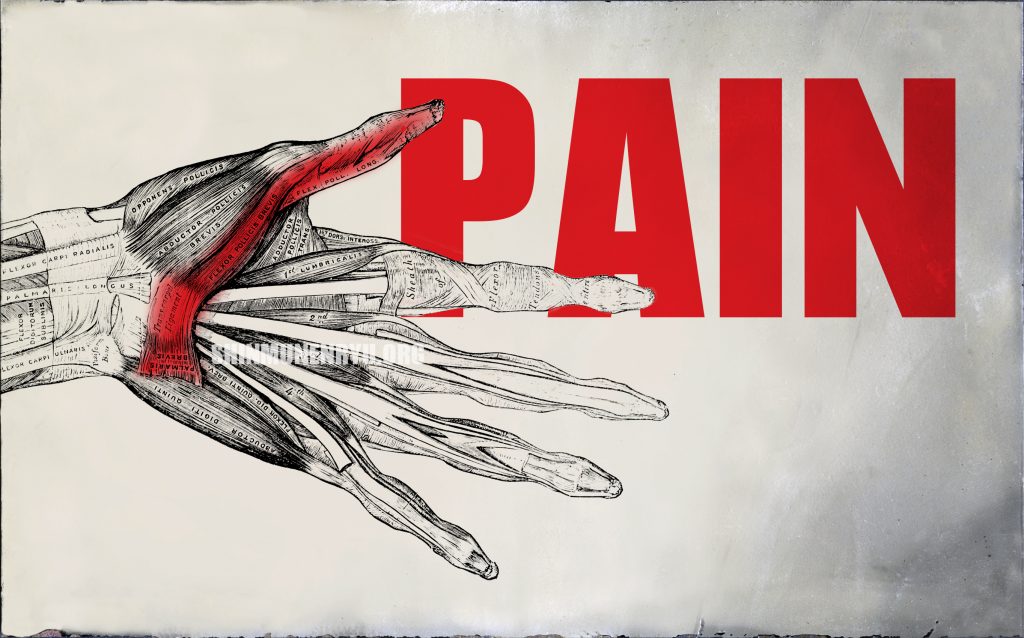
Pain & Training In The Martial Arts
Pain & Training Pain is a universal dilemma. Especially for those in sports or martial...
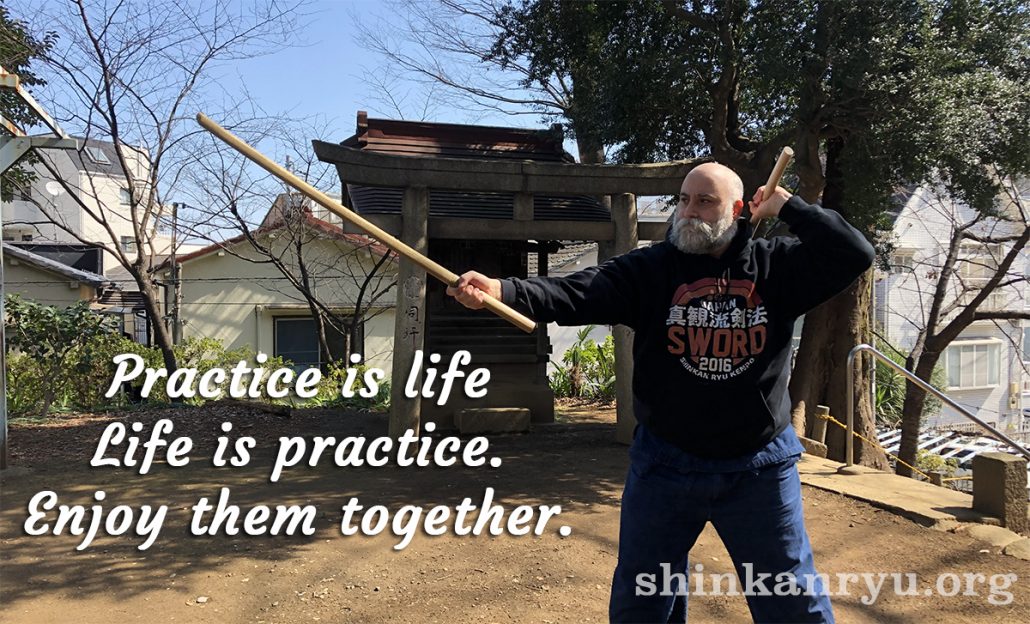
Budo Thoughts: Practice is life.
Practice is life. Life is practice. Enjoy them together. Enjoying morning keiko outdoors. The smell...
How To Avoid Training Pitfalls In Martial Arts
Beware The Rabbit Holes. I want to talk about some pitfalls of martial arts training....
Practice
The car at the bottom of the hill needs a sustained gas pedal to move...
Iaijutsu Iaido Sword Timing Lesson
Timing while training alone is an important aspect to keep alive and well in the...
Four Enemies
Four Friends. Four Enemies. One morning while on alms rounds the Buddha gave a heap...
Japanese Era 710-1868 Part 1 Nara & Heian
Nara period. 710-794 We shall begin with the Nara period. 710-794. Japan had recently changed...
Learning Koryū Kenjutsu & Iaijutsu Traditionally
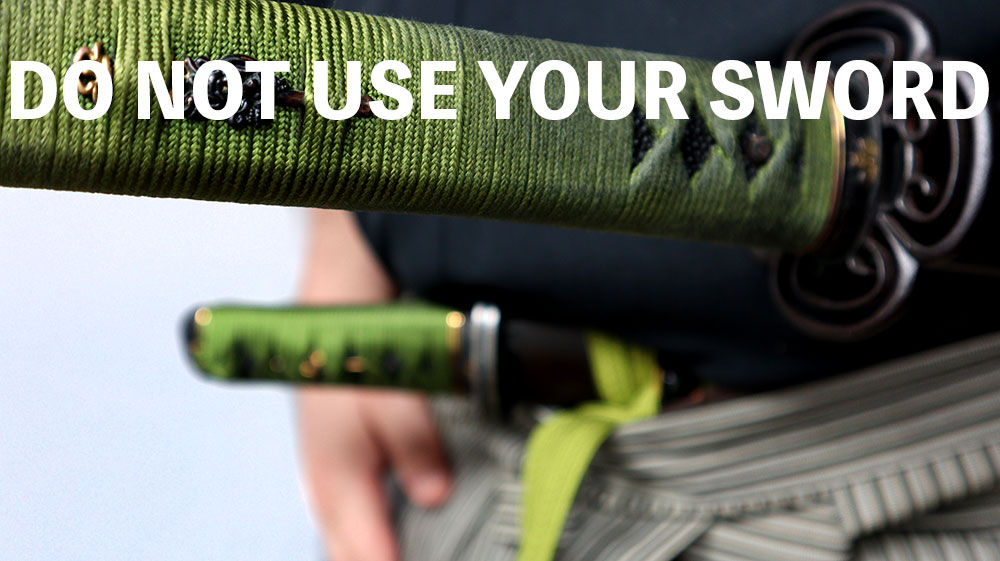
Saya no uchi
I train to strike correctly. I perform keiko to understand the angles of my sword....
What is true budo?
Studying the arts of fighting leads to peace. The pursuit of martial arts has one...
Wisdom Martial Arts Keiko & Buddhism
For those that lack wisdom the way is difficult. It is best to consider the...
What do I need to study bujutsu?
Learning a traditional bujutsu, koryu, or comprehensive martial art is best approached as a serious...
What Does Iaido & Iaijutsu Mean?
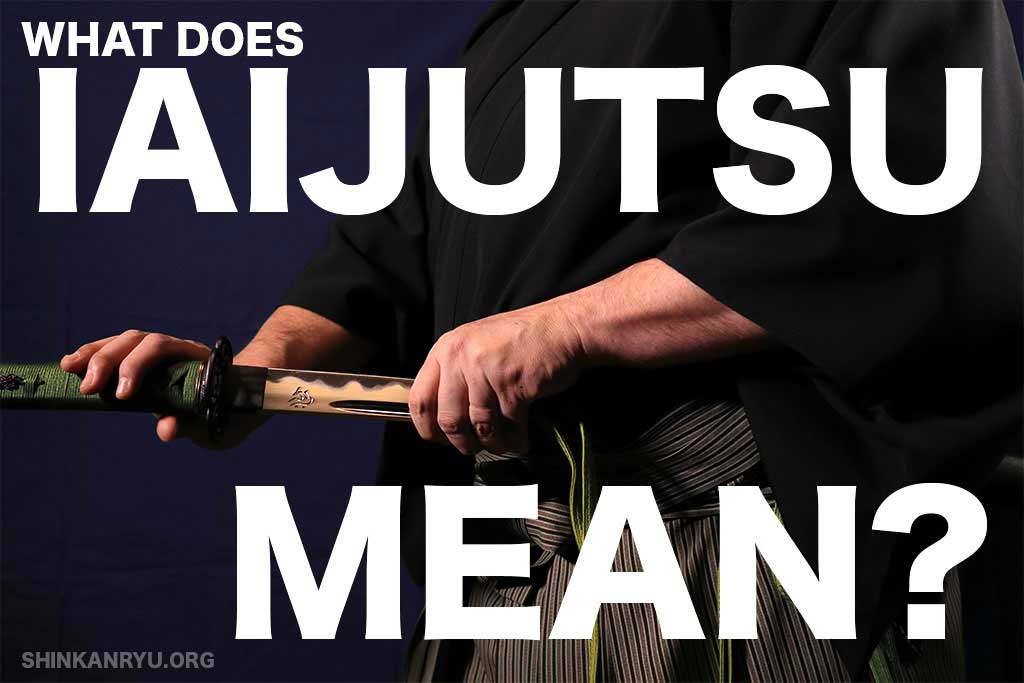
Iaijutsu and iaido are components of kenjutsu 剣術, the arts of the sword. Iaijutsu, iaido...
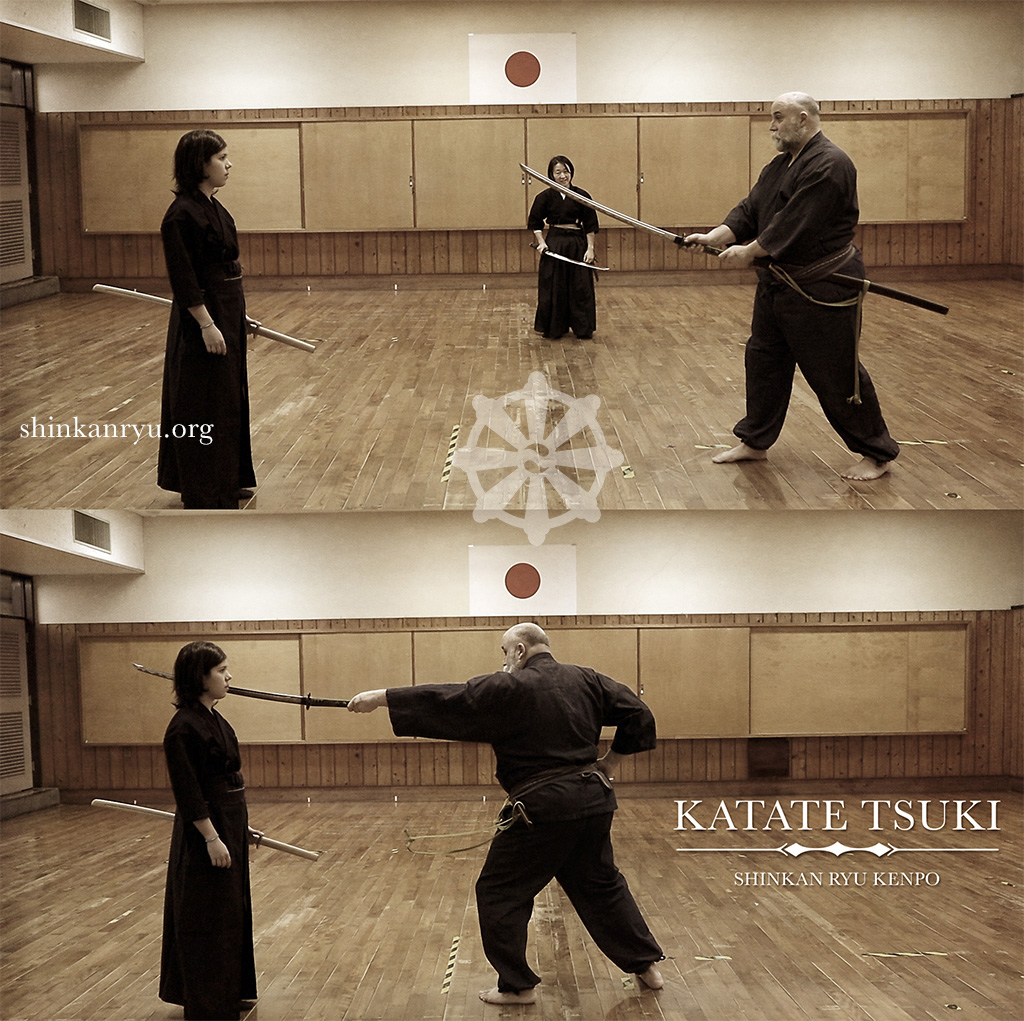
Katate Tsuki-One handed Thrust Iaijutsu
[fusion_builder_container hundred_percent="no" equal_height_columns="no" menu_anchor="" hide_on_mobile="small-visibility,medium-visibility,large-visibility" class="" id="" background_color="" background_image="" background_position="center center" background_repeat="no-repeat" fade="no" background_parallax="none" parallax_speed="0.3"...
Shu-ha-ri Budo Learning
Reflections on 31 Years of Martial Arts and 8 Years of Shinkan-ryū Kenpō
不動心 (Fudōshin) – The Immovable Mind As I mark 31 years of practicing martial arts...
Playing With Sharp Swords
I have been saying it’s important to get training for using a sharp sword or...
Teaching yourself Iaido and Swordsmanship
The Challenges of Self-Learning Swordsmanship In martial arts, particularly in the study of swordsmanship, a...